

How Common Are Fender Benders in Florida?
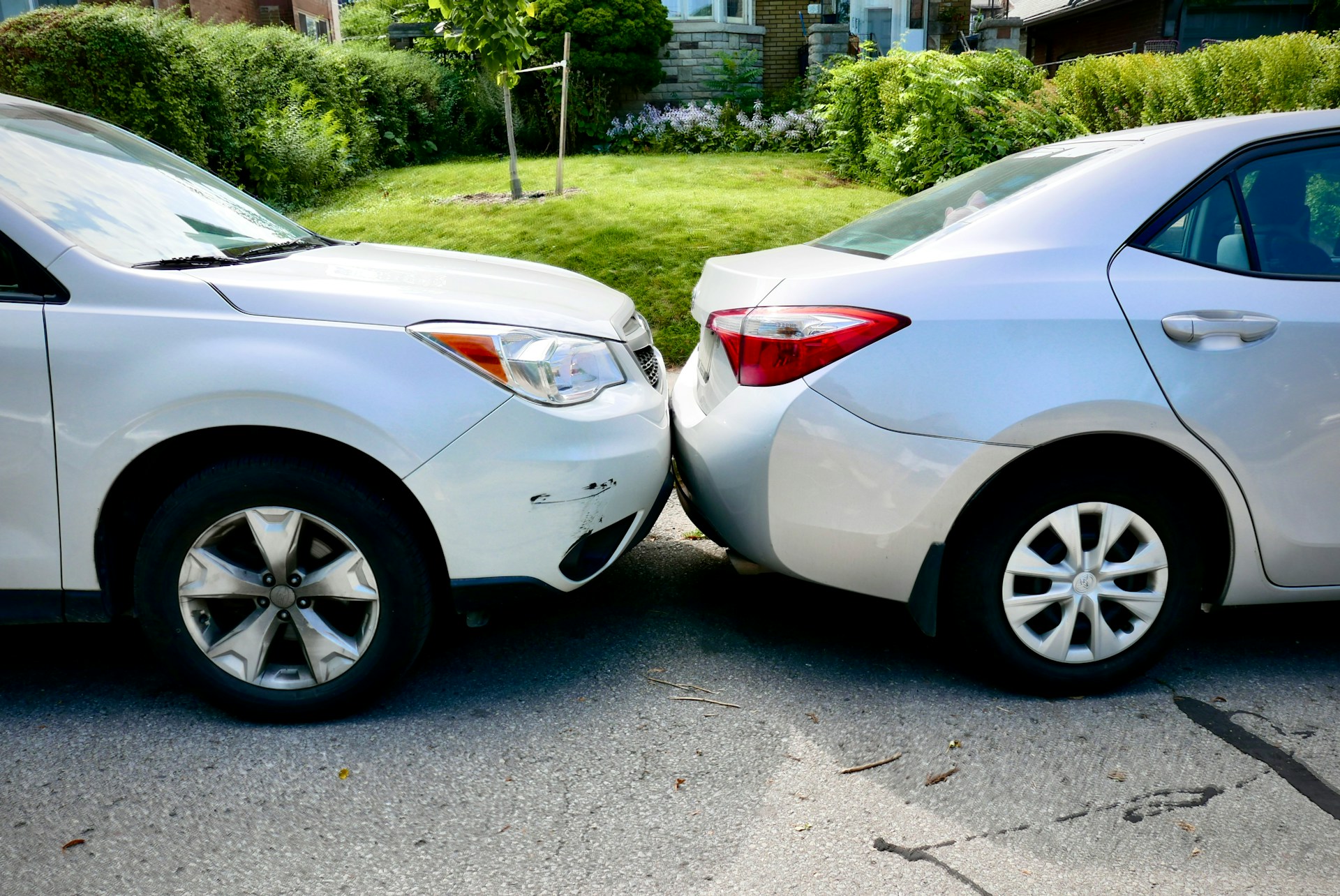
“Fender bender” makes it sound like nothing much happened; a little dent, an insurance call, and you’re back on the road. But when you actually look at the crash numbers, fender benders aren’t a rare inconvenience. They’re the most common kind of crash on Florida roads, and they happen a lot more often than the bigger, headline-making wrecks. Here’s what the data says, and why these “minor” crashes are so hard to avoid.
What Actually Counts as a “Fender Bender”?
There’s no official “fender bender” category on a police report. Florida and federal crash data don’t track it that way. In everyday use, it means the crashes that feel more like a jolt than a disaster: a low-speed tap at a red light, a scrape backing out of a parking spot, a fender clipped while merging. Real property damage, but usually no ambulance.
That doesn’t mean these crashes are nothing to worry about. We’ve written separately about the hidden risks behind a Florida fender bender; this article is about a different question: just how often do they actually happen?
How Common Are Fender Benders Nationally?
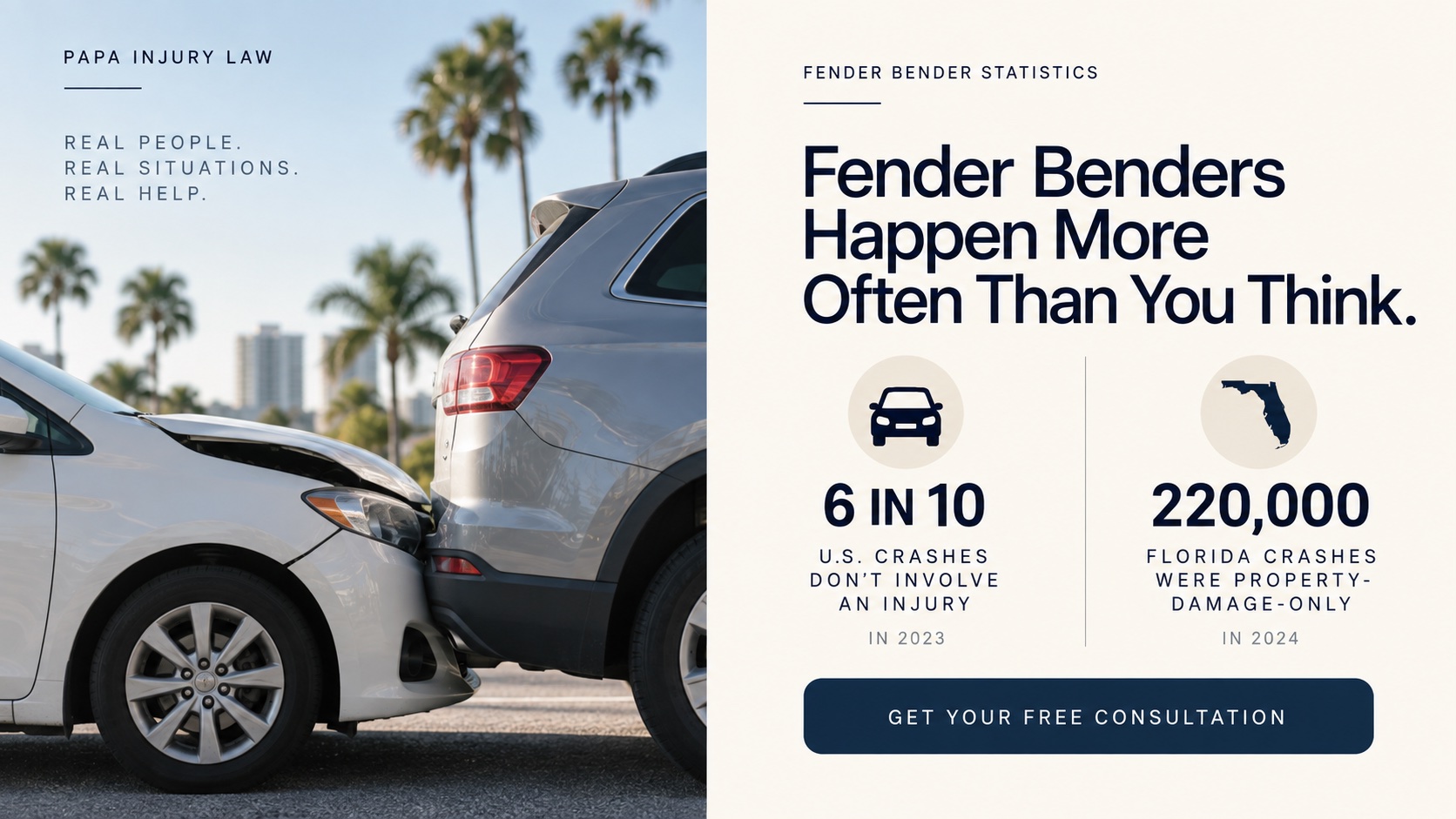
The federal picture starts with volume. NHTSA estimates there were 6,138,359 police-reported traffic crashes in the U.S. in 2023, resulting in about 2.44 million injuries and 40,901 deaths. Do the math on that, and roughly 6 in 10 of those crashes didn’t involve an injury at all. There was property damage, but nobody was hurt. That’s the bucket most fender benders fall into.
Now narrow it down to the type of crash a fender bender usually is. Rear-end collisions, such as the classic “didn’t stop in time” fender bender, make up an estimated 29% of all reported crashes, more than any other single crash type, adding up to around 1.7 million rear-end crashes every year. NHTSA’s own testing points to why: alert drivers hit the brakes in time to avoid a rear-end crash 99% of the time, but distracted drivers only managed it 53% of the time.
Florida’s Numbers Tell the Same Story
Florida isn’t the exception here. FLHSMV’s preliminary 2024 data counted 381,210 codable traffic crashes statewide. About 42% resulted in an injury, meaning roughly 220,000 Florida crashes last year were property-damage-only.
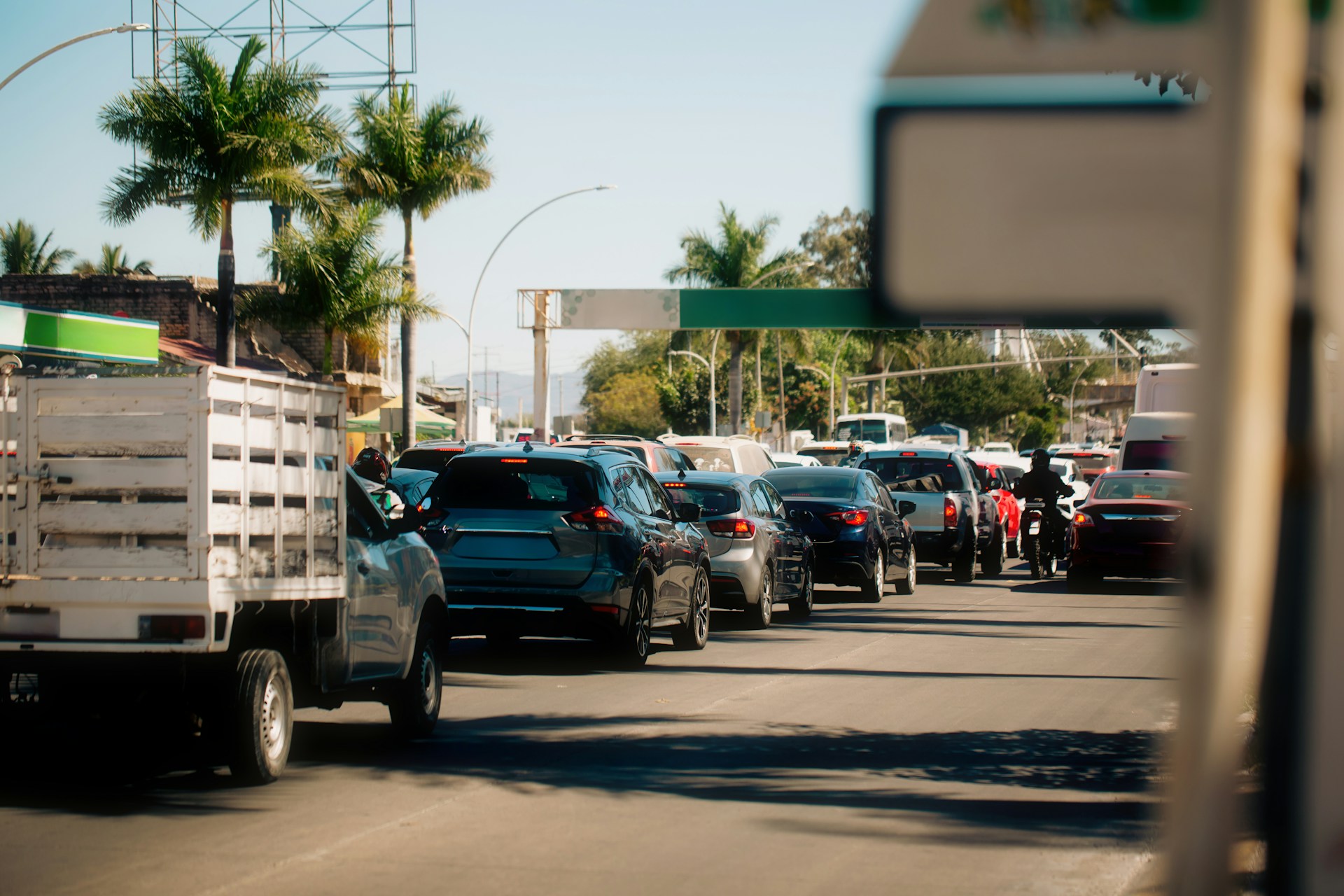
FLHSMV also reports crashes happen most frequently on Fridays around 4 p.m., during peak rush hour, when traffic slows, stops, and starts in tight quarters. Add Florida’s dense population, packed parking lots, and a steady stream of visitors unfamiliar with local roads, and you’ve got exactly the conditions fender benders thrive in.
Why Fender Benders Happen So Often

| Following too closely: Not leaving enough room to react when the car ahead brakes suddenly could easily cause a fender bender. | |
| Distracted driving: It could be a phone, a passenger, or a drive-thru bag; it only takes a second. | |
| Stop-and-go traffic: Rush hour on I-275 or US-19 means constant braking, exactly when small rear-end crashes happen. | |
| Parking lots: Tight spaces, blind spots, and low speeds all increase the likelihood of a crash. |
If you want a deeper look at fault, our rear-end collision guide walks through liability, causes, and what settlements can look like.
What To Do If You’re in a Fender Bender
| 1 | Check on everyone first. Injuries from a low-speed crash aren’t always obvious right away. |
| 2 | Know Florida’s reporting rule. Right now, you must notify police if a crash involves injury, death, or apparent property damage of at least $500. Starting October 1, 2026, that threshold rises to $2,000. Below it, you still need to file a written self-report with FLHSMV within 10 days if an officer doesn’t respond. |
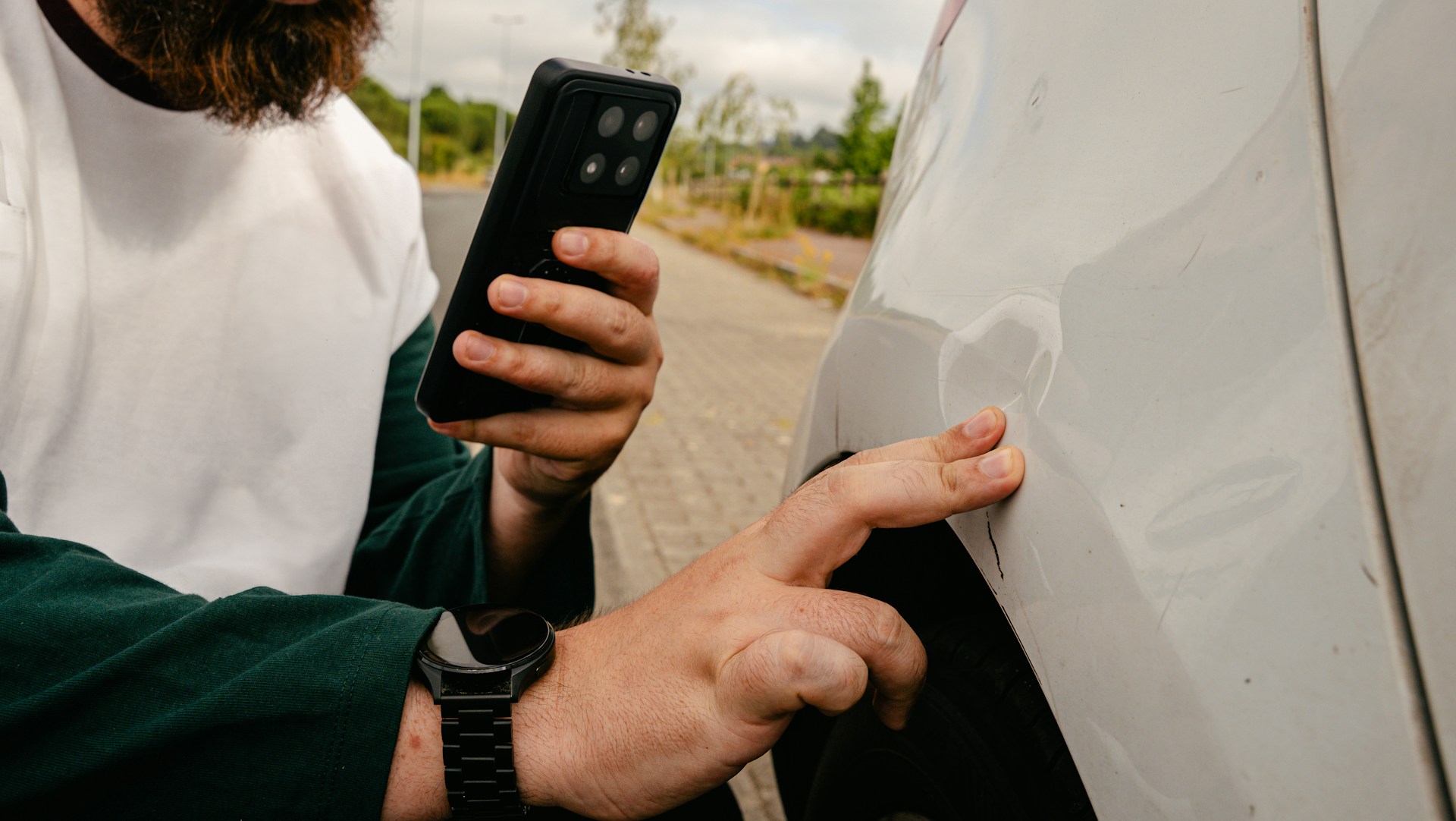
| 3 | Document before you move anything. Get photos of damage, positions, and the scene, if it’s safe. |
| 4 | Exchange information, not opinions. Gather names, insurance, and contact info; skip the fault debate. |
| 5 | Get checked out, even if you feel fine. This creates a record that protects you if symptoms show up later. |
FAQ
Is a fender bender still considered a car accident in Florida?
Yes. Florida law doesn’t distinguish “fender benders” from any other crash; the same reporting rules and insurance process apply.
Do I need a lawyer for a minor fender bender?
Not always. It’s worth a free consultation if there’s an injury that shows up later, a denied claim, or an insurer that isn’t being straight with you.
Can I still file an injury claim for a minor crash like a fender bender?
Yes, low property damage doesn’t mean low risk. Whiplash and soft tissue injuries often don’t show up until hours or days after impact, which is exactly why so many fender benders turn into more complicated insurance conversations than anyone expects.
You Don’t Have to Sort It Out Alone
A fender bender might feel too small to call a lawyer about, until an insurance company starts pushing back, or a headache from “just a tap” turns into weeks of physical therapy. At Papa Injury Law, we’ll tell you straight whether you need us or just need a second opinion. Either way, you don’t have to figure it out by yourself.
This content is for informational purposes only and does not constitute legal advice. Every case is different, and the information provided may not apply to your specific situation. For personalized guidance, please contact Papa Injury Law directly. Reading this blog does not establish an attorney-client relationship.


